The Cost of Mastery: Why I Chose Surgery

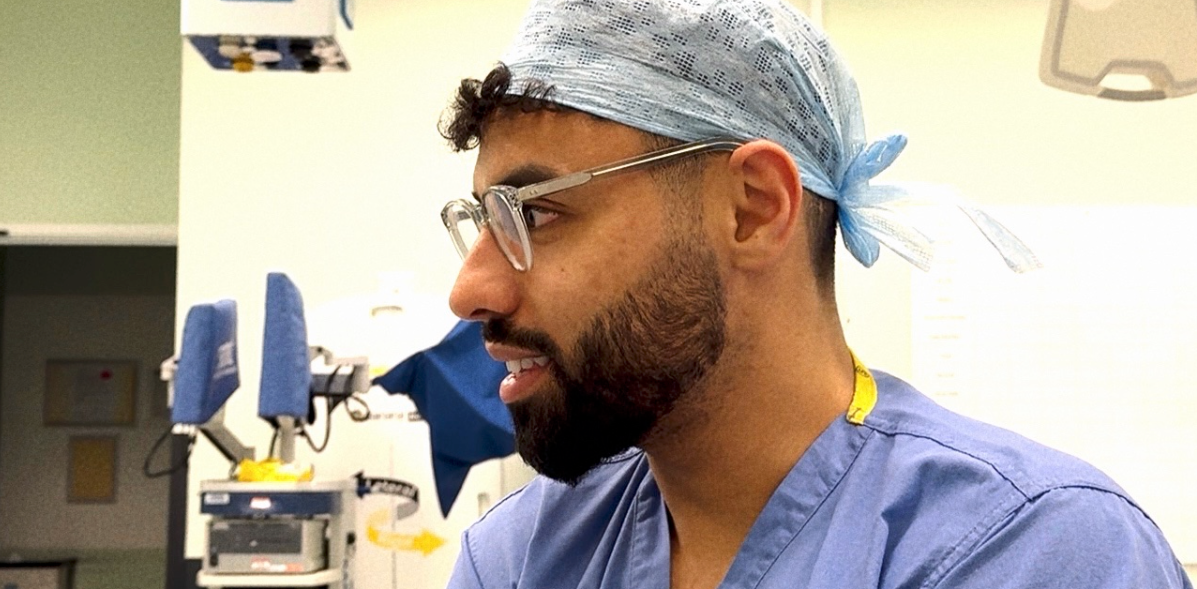
Three and a half years ago, I hit a crossroads.
I received my offer for ENT Registrar training in North Thames. Suddenly, I wasn't just a junior member of the team; I was transitioning into a senior role where people were looking to me for answers and definitive surgical management. I hit a point where "I don't know" wasn't a good enough answer for me anymore. So, I traded my spare time for time in theatre. I chose to go dark. Here is why that was the best decision I ever made for my career.
"Time on the Table"
Surgery is an iterative loop of action, decision and refinement. Your hands must first learn the movement and your brain must guide the intent. By repeating the procedure, you aren't just gaining muscle memory; you’re building the decision making and intuition that separates a good surgeon from everyone else.
So I spent more time on the table. I came in on my days off and attended emergencies when I wasn't on-call. I actively sought out exposure to different operations and put myself in positions where I could be taught.
I learnt that there is no substitute for 'time on the table.'
"Sacrifice Season"
The truth is, something had to give.
With a limited number of hours in my working day, I became acutely aware of having limited energy and capacity to perform. To perform at your highest ability and do everything was impossible—don't believe anyone who says it is.
I really tried, and it just made me unhappy.
I now hold the opinion that there are different seasons in life. This current season is for laying solid surgical foundations. That's what being a surgical registrar is truly about - laying foundations to build on once you become a consultant surgeon. What I've been told is you don't begin to hit mastery until 5 years into being a consultant.
"Neglect"
But sacrifice alone won't do it.
Don’t neglect the other dimensions. We often think that total sacrifice and dedication is the only path to mastery, but a happy surgeon is a better surgeon. To maximise your time in training, you have to be well-rested and in a mental position to actually absorb what’s happening during your training.
Training is about extraction—pulling knowledge from your mentors and experience from theatre. If you show up tired and exhausted, you aren’t just performing poorly; you aren't learning or retaining the information. You’re just existing in the room. If you neglect your life outside the hospital, you’ll eventually find you have nothing left to give inside of it.
Mohammad x